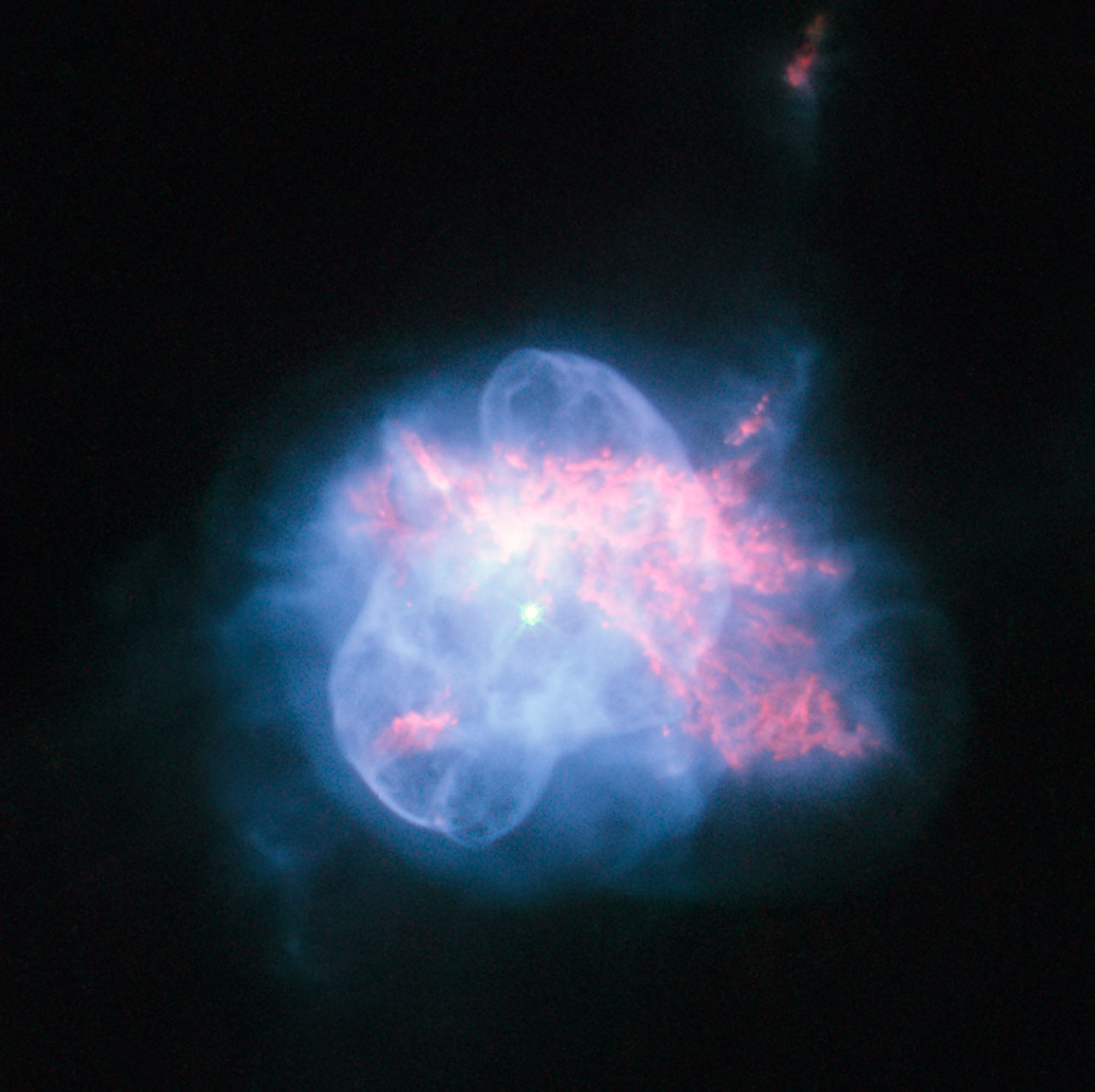
The Hubble picture shows the last words of a dying star, NGC 6210 that some 6,500 light years from Earth. The star, slightly smaller than the Sun, is in the final stretch of his life. Its final convulsions expelled matter facing the nebula that surrounds this strange form of magical aura. At that time, the final explosion, are synthesized heavier elements and complex opportunities will be components of other planets, and perhaps other lives. The star NGC 6210 is Tremeda old, about 10,000 million years, the lifetime estimated for a star similar to the one that gives us light during the day. (Seen here )
Saturday, October 23, 2010
Butter Equiventcanola Oil
cosmic Obituary for NGC 6210 Charlie Parker Sessions
The Hubble picture shows the last words of a dying star, NGC 6210 that some 6,500 light years from Earth. The star, slightly smaller than the Sun, is in the final stretch of his life. Its final convulsions expelled matter facing the nebula that surrounds this strange form of magical aura. At that time, the final explosion, are synthesized heavier elements and complex opportunities will be components of other planets, and perhaps other lives. The star NGC 6210 is Tremeda old, about 10,000 million years, the lifetime estimated for a star similar to the one that gives us light during the day. (Seen here )
Subscribe to:
Post Comments (Atom)
0 comments:
Post a Comment